Budget Gorilla Trekking In Uganda (Affordable Gorilla Tours)
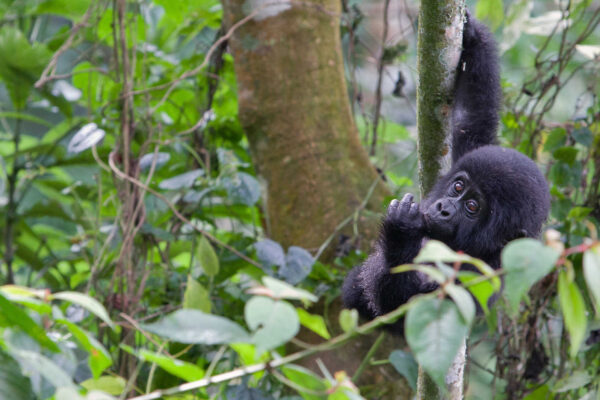
Budget gorilla trekking in Uganda, very affordable gorilla tours, expert local guides, secure permits, unforgettable gorilla encounters for all budget travelers. Home to half of the world’s population of mountain gorillas, Uganda is the best place in the world to go for a gorilla trekking safari. Budget gorilla trekking in Uganda offers a rare chance to witness mountain gorillas in their natural habitat without stretching your budget. In the mist-shrouded rainforests of Bwindi Impenetrable Forest National Park and Mgahinga Gorilla National Park, travellers can still enjoy a heart-stopping encounter with these gentle giants, guided by trained rangers, at a cost far lower than many luxury safaris. With permits costing up to $800 per person, Uganda remains the most affordable destination for a mountain gorilla safari, thanks to comparatively lower permit fees and a variety of budget-friendly lodging and logistics options.
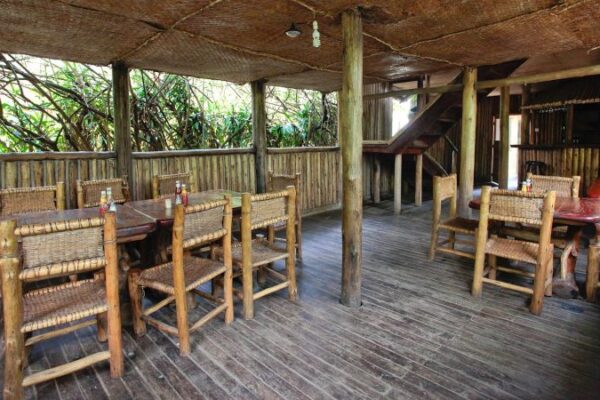
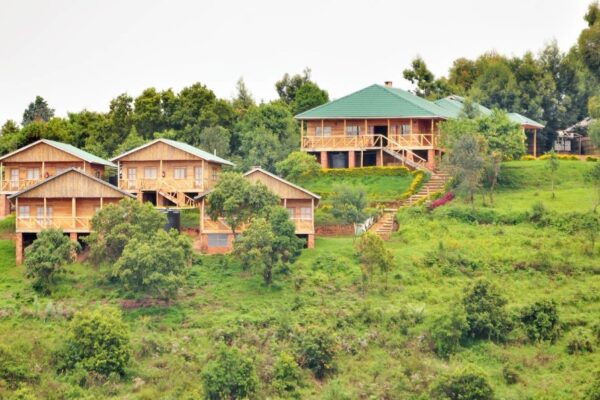
Trekking mountain gorillas in Uganda’s Bwindi and Mgahinga National Parks does not mean compromising your experience; rather, it embraces Uganda’s warm local hospitality, community-led initiatives, simple but comfortable lodges, and shared or public transport. Travelers stay in affordable guesthouses, midrange cabins, and community-run eco-lodges located near park trailheads, minimizing transfer time on trekking days. Here, guests can expect basic yet charming comforts, including clean en-suite rooms, forest views, hearty local meals, and friendly staff who understand the rhythms of gorilla trekking. With the right planning and expectations, a budget gorilla trek in Uganda offers all the wonder of the forest and its rare primates at a more accessible price.
Tips For Planning Budget Gorilla Trekking in Uganda
Planning a budget gorilla trekking safari in Uganda offers the magic of meeting the mountain gorillas, experienced through choices that keep the journey affordable without losing its essence. Uganda remains one of the most accessible places in Africa to see these gentle giants, especially for travellers who plan wisely, choose the right trekking sector, and book their permits early. As such, travellers can unlock a memorable, responsible, and cost-friendly gorilla trekking safari in Uganda.
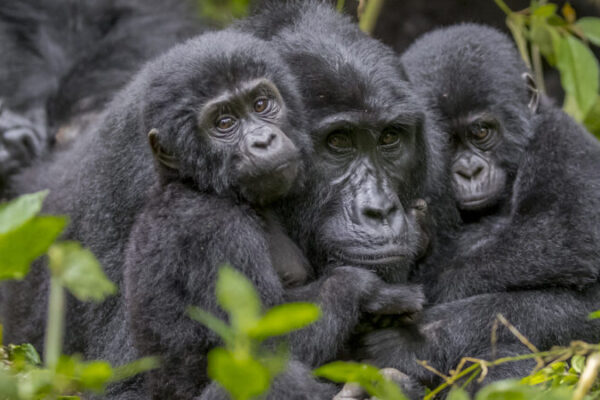
Factors to Consider When Planning Budget Gorilla Trekking In Uganda
-
Choosing the Right National Park and Trekking Sector
Your budget gorilla trekking in Uganda begins with choosing where you will track the gorillas. Uganda offers two destinations: Bwindi Impenetrable Forest National Park, which is the most popular with multiple habituated gorilla groups scattered across four trekking sectors: Buhoma, Ruhija, Rushaga, and Nkuringo, and Mgahinga Gorilla National Park, with one habituated family. Bwindi generally gives budget travellers the widest range of affordable lodges, particularly in Buhoma, Ruhija, and Rushaga, where simple guesthouses and midrange cabins are more common.
Contrary, Mgahinga offers a quieter experience but has fewer budget-lodging options, which may slightly raise your total expenses. Selecting a sector close to your lodge reduces transport costs and avoids long, early-morning transfers.
-
Permit Cost, Types, and Booking
A gorilla trekking permit is the essential, non-negotiable part of any gorilla safari budget. Uganda’s standard permit costs $800 (foreign non-residents), $700 (foreign residents), and UGX 300,000 (East Africans), offering you one unforgettable hour with a habituated gorilla family. The pricier Gorilla Habituation Experience, a prolonged four-hour experience with a semi-habituated gorilla family, is available at $1,500 per person; however, it’s rarely chosen on budget itineraries. Uganda gorilla permits are limited and sell out fast, especially during peak seasons (June to September and December to February), so booking 3 to 6 months in advance is recommended to save both your budget and chance to encounter mountain gorillas.
-
Budget Accommodation Options
Budget gorilla trekking in Uganda relies on staying in simple, comfortable accommodations. Around Bwindi and Mgahinga, travellers can expect basic camping, which costs around $10 – $20 per night, while guesthouses, community-run eco-lodges, and midrange cabins range between $40 – $150 per night, depending on the sector and season. These lodges typically offer clean rooms, warm showers, warm local meals, and proximity to trekking trailheads, which is significant in reducing transport costs. Moreover, many of these properties also support local communities and conservation, making them both affordable and meaningful.
-
Transport Choices and Cost-Control Strategies
Transport is one of the biggest variables in a budget gorilla trekking safari. Bwindi and Mgahinga both lie in the far southwestern region of Uganda, which is roughly an 8 to 10-hour drive from Kampala/Entebbe. If you are travelling to Bwindi or Mgahinga on a budget, it is often advisable to share 4×4 safari vehicles, join group tours, or use local public transport (up to nearby towns like Kabale, Kanungu, and Kisoro) before transferring to the park in a pre-arranged vehicle.
Booking a group tour or joining scheduled departures significantly reduces costs, as travelers split fuel, guide fees, and vehicle hire. This significantly reduces the per-person cost of fuel and vehicle hire. While domestic flights exist, they rarely fit a budget itinerary. Please note that staying near your trekking sector also avoids unnecessary driving and keeps daily logistics manageable.
-
Additional Costs (Porters, Meals, Gear, and Tips)
Even on a budget Uganda gorilla trek, extra costs must be factored in, including;
- The cost of hiring porters (highly recommended on your trek) – $15 – $20
- Meals, especially those not included by your lodge – $5 – $15 locally, depending on the area.
- Tips to guides, rangers, and lodge staff – $5 – $10 (for lodge staff and $10 – $15 (for guides and rangers).
While tipping in Uganda is optional, it is only customary to be included in your budget.
-
Best Time to Travel for Your Uganda Gorilla Trek
While gorilla trekking in Uganda is possible year-round, the dry seasons, from Jun to September and December to February, offer the best conditions, such as dry and accessible forest trails, as well as clear skies, perfect for trekking. However, this is a tourism peak season with a higher demand, meaning accommodation prices in some areas can spike, and permits may be sold out.
For travellers who prefer fewer crowds and quieter treks in the gorilla parks, the wet seasons from March to May and October to November are ideal, featuring lower lodge rates and easy access to gorilla permits; however, expect muddy trails and rain showers in the forest. Budget travellers often save more by going in shoulder or off-peak months, especially in Bwindi’s Ruhija and Rushaga sectors.
-
Choose Between Group Tours vs Private Safaris
While a private Uganda gorilla safari offers freedom and flexibility, group tours are the budget traveller’s ally. Sharing vehicle, guide, and fuel costs significantly lowers the overall price. Many tour operators in Uganda offer group departures that guarantee the trek, even with small numbers, a smart way to keep the safari cost-effective without compromising the experience.
-
Distance and Accessibility of Lodges to the Trailhead
On a budget gorilla trekking in Uganda, the distance from your lodge to the briefing point directly influences cost. Some lodges are 5 – 20 minutes from the trailhead, while others, especially those outside the parks, require 1 – 1.5 hours of driving, which means more fuel, higher transfer fees, and more time. Smart budget planning chooses affordable lodges close to the sector Buhoma Rest Camp and Broadbill in Ruhija, to avoid extra costs and early, exhausting starts.
-
Fitness Level, Trekking Difficulty, and Time Management
Budget trekkers often spend fewer nights at the park, meaning timing is crucial. Generally, treks to see your allocated gorilla family take anywhere between 30 minutes to 6 hours, depending on its location in the forest. Some gorilla families require 2–6 hours of trekking each way. Travellers with limited time or limited budget should choose sectors with easier terrain to avoid needing extra rest days or longer stays that increase costs. This keeps your itinerary smooth and cost-efficient.
-
Travel Insurance Requirements
Budget Gorilla trekking in Uganda involves navigating steep slopes, slippery trails, and remote locations, which requires you to be insured in case of any emergencies. Comprehensive travel insurance usually costs between $40 – $80 for a short safari, and between $100 – $200 for longer safaris. This is a wise and essential budget safeguard to protect you from unexpected medical or evacuation expenses.
-
Community Fees and Optional Cultural Experiences
While optional, community and cultural experiences are worth adding to your Uganda gorilla trek, and these include;
- Community walks: $10 – $20
- Batwa cultural experience: $40 – $80
- Local crafts and souvenirs: $1 – $20
These experiences enrich the trip while supporting communities that protect the gorillas — a key part of responsible budget tourism.
-
Choosing a Trustworthy Tour Operator
Embarking on a budget gorilla trek in Uganda should never mean compromising on safety. The best way to enjoy a seamless budget gorilla trek is to work with a reputable, licensed operator who ensures proper itinerary management, permit handling, reliable vehicles, and knowledgeable guides. Before choosing a tour operator, ensure that they are licensed by the Uganda Tourism Board (UTB) to avoid scammers. This keeps your trek secure and avoids costly disappointments.
Best Budget Accommodations in Bwindi and Mgahinga
-
Buhoma Community Rest Camp, Buhoma
This community-run camp sits at the edge of the Buhoma sector of Bwindi Impenetrable National Park, placing trekkers within easy reach of the park headquarters and early morning briefings. The camp offers simple bandas, dormitories, and self-contained cottages, with a communal dining area serving local and international meals, ideal for budget travellers who value proximity to the trailhead. Amenities include basic en-suite rooms or shared facilities, a campfire, and local guides arranged on site. What sets Buhoma Community Rest Camp apart is its community ownership model, where the camp’s revenue supports local projects while providing direct access to northern Bwindi’s gorilla families.
-
Bwindi Backpackers Lodge, Nkuringo / Rushaga (Southern Bwindi)
Bwindi Backpackers Lodge is located on the forest edge in the southern sector (Nkuringo/Rushaga area), making it a popular budget choice for trekkers targeting Rushaga and Nkuringo gorilla families. The lodge provides basic private rooms, dorms, and camping options, an on-site restaurant, and helps guests with permit bookings and park transfers, for both independent travellers and small groups. Its proximity to multiple southern trailheads and flexible booking support for permits make the lodge an ideal choice for budget travellers.
-
Wagtail Eco Safari Lodge, Rushaga
Wagtail Eco Safari Lodge (also known as Wagtail Eco Camp) sits in Rubuguri village in the Rushaga southern sector, a central point for tracking the Nkuringo and Rushaga gorilla groups. The lodge offers budget tents, simple bandas, and standard rooms with either en-suite or shared facilities, complemented by a cosy restaurant and local guiding services. It’s popular with budget travellers because it balances low nightly rates with direct access to several gorilla trekking sectors and local knowledge of the group.
-
Broadbill Forest Camp, Ruhija
This budget camp is positioned on the very edge of the Ruhija sector of Bwindi, offering budget and mid-range rooms in a scenic eastern location known for birding and quieter trekking trails. Accommodation comprises simple en-suite cottages and rooms set close to the forest boundary, a dining lodge, guided birding tours, and village walks. The camp’s key advantage for budget travellers is Ruhija’s generally gentler terrain and fewer crowds, which often translates into easier, shorter treks and modest lodge rates while still providing immediate forest access.
-
Amajambere Iwacu Community Camp, Kisoro, near Mgahinga NP
Amajambere Iwacu Community Camp sits near the entrance of Mgahinga Gorilla National Park, making it ideal for visitors interested in visiting the park’s only habituated gorilla family, Nyakagezi, golden monkey trekking, volcano hikes, or cross-park adventures between Mgahinga and southern Bwindi. The camp offers basic bandas, safari tents, and simple rooms, with communal dining and vibrant cultural activities run alongside the local community and Batwa groups. Budget travellers love it for its community-first philosophy, where staying here directly supports conservation, cultural preservation, and local livelihoods while providing an affordable, scenic base near Mgahinga’s volcanic slopes.
In conclusion, budget gorilla trekking in Uganda makes it possible to enjoy an immersive encounter with Uganda’s mountain gorillas and explore Bwindi or Mgahinga without breaking the bank. With careful planning, staying in community-based or affordable lodges, travellers can enjoy guided treks, nature walks, and cultural experiences.
For a budget gorilla trekking in Uganda, expect to spend between $1,200 – $2,500 for a 3 to 4-day gorilla safari, depending season.