Gorilla trekking in Volcanoes National Park is Rwanda’s most popular safari experience, offering tourists a rare opportunity to meet one of the world’s remaining populations of mountain gorillas in their natural habitat. This experience is deeply humbling and often transformative, which has made Rwanda one of Africa’s must-visit safari destinations. However, Rwanda is far more than a gorilla trekking destination. Despite its small size, the country offers a wide range of experiences within short, easy travel distances; from volcanic hikes and rare primate encounters to cultural heritage tours, lakeside retreats, and savannah safaris.
Volcanoes National Park, in particular, is much more than a gorilla trekking destination. Its bamboo forests and surrounding communities offer other activities that are equally engaging, often more relaxed, and surprisingly affordable compared to gorilla trekking. Whether you are drawn to wildlife, history, landscapes, or culture, there is always something meaningful to add to your Rwanda gorilla safari itinerary.
Here are some of the best things to do in Rwanda beyond gorilla trekking.
-
Golden Monkey Trekking in Volcanoes National Park
Golden monkeys are small endangered primates that are endemic to the Virunga Massif, making Rwanda one of the few places on Earth where travelers can see them in the wild. These monkeys live in large, social troops of 20 to over 100 individuals, moving quickly through the forest, feeding on bamboo shoots, fruits, and leaves, and interacting playfully within the group. Their bright golden-orange coats make them particularly striking and highly photogenic, especially in the soft morning light.
Most troops in Volcanoes are habituated, allowing visitors to observe them closely without disturbing their natural behavior. Visitors can enjoy guided treks mostly in the bamboo forests at the base of Mount Sabyinyo, an area that is generally easier to hike than the higher, steeper gorilla ranges. As an endangered species, golden monkeys benefit from strict conservation measures, and trekking with them is lively, engaging, and quite different from the solemn calm of a gorilla encounter, making it one of the most enjoyable and accessible wildlife activities in Rwanda.
-
Chimpanzee Trekking in Nyungwe Forest National Park
Chimpanzee trekking in Nyungwe Forest National Park offers a dynamic and immersive primate experience in one of Africa’s oldest montane rainforests. Located southwest of Rwanda, the park is home to over 500 chimpanzees, along with 12 other primate species, making it one of the richest forests for primate diversity in Africa. Guided by experienced trackers, visitors follow habituated chimpanzee troops, observing their natural behavior, social interactions, and vocal communications. The treks here usually last 1 to 5 hours, including the one hour allocated for watching and observing the Apes.
Chimpanzees are active, fast-moving, and highly social, creating a lively and memorable forest encounter. Chimpanzee trekking in Nyungwe is not only thrilling and memorable but also plays a vital role in supporting conservation efforts and protecting.
Beyond chimpanzee trekking, this ancient forest is home to colobus monkeys, bushbucks, duikers, and over 310 recorded bird species, making every step an opportunity to experience Nyungwe’s rich biodiversity.
-
Canopy Walk in Nyungwe Forest National Park
The Canopy Walk in Nyungwe Forest National Park is a unique way to explore this large montane rainforest from above. Suspended about 50 meters above the forest floor and stretching 90 meters across a natural gorge, the walkway provides a unique view of the forest canopy and the valley below. The walkway was built with sustainable materials to minimize environmental impact and allows travelers to observe the different layers of the rainforest, from towering trees to undergrowth.
From this height, visitors can see a variety of forest mammals such as duikers, forest hogs, monkeys, chimpanzees, olive baboons, and a variety of rare Albertine Rift endemic birds. Unlike the regular trekking trails, the Nyungwe Forest Canopy Walk is relatively easy, making it accessible for all kinds of travelers, including families, photographers, and casual hikers.
-
Explore Kigali, Rwanda’s Capital
Kigali is Rwanda’s clean, safe, and vibrant capital, making it an ideal starting point for any Rwanda tour. Known as Africa’s cleanest and most orderly city, Kigali combines modern development with rich history and cultural heritage, offering attractions such as the Kigali Genocide Memorial, which provides a moving insight into the country’s past, and BK Arena, which is currently the region’s largest indoor arena. The city also offers a variety of local markets, arenas like the BK, art galleries, and craft shops that showcase contemporary Rwandan culture. Kigali is also known for its cafes, restaurants, and coffee roasteries, giving travelers a taste of Rwanda’s growing culinary scene. With most major tourist destinations within a 4-hour drive, Kigali acts as a gateway to gorilla trekking in Volcanoes and other safari destinations in the country.
-
Explore Rwanda Cultural Tours
Rwanda’s cultural heritage is rooted in pastoral tradition, oral storytelling, community cooperation, and musical expression. Top cultural experiences in Rwanda include a visit to Iby’Iwacu Cultural Village near Volcanoes National Park, where visitors can interact with former poachers turned guides, learn traditional hunting techniques, brew banana beer (urwagwa), and watch the iconic Intore warrior dance. In Kigali and surrounding villages, join local women artisans to weave the iconic Agaseke baskets, a symbol of peace and reconciliation, and take home a piece of history you helped create.
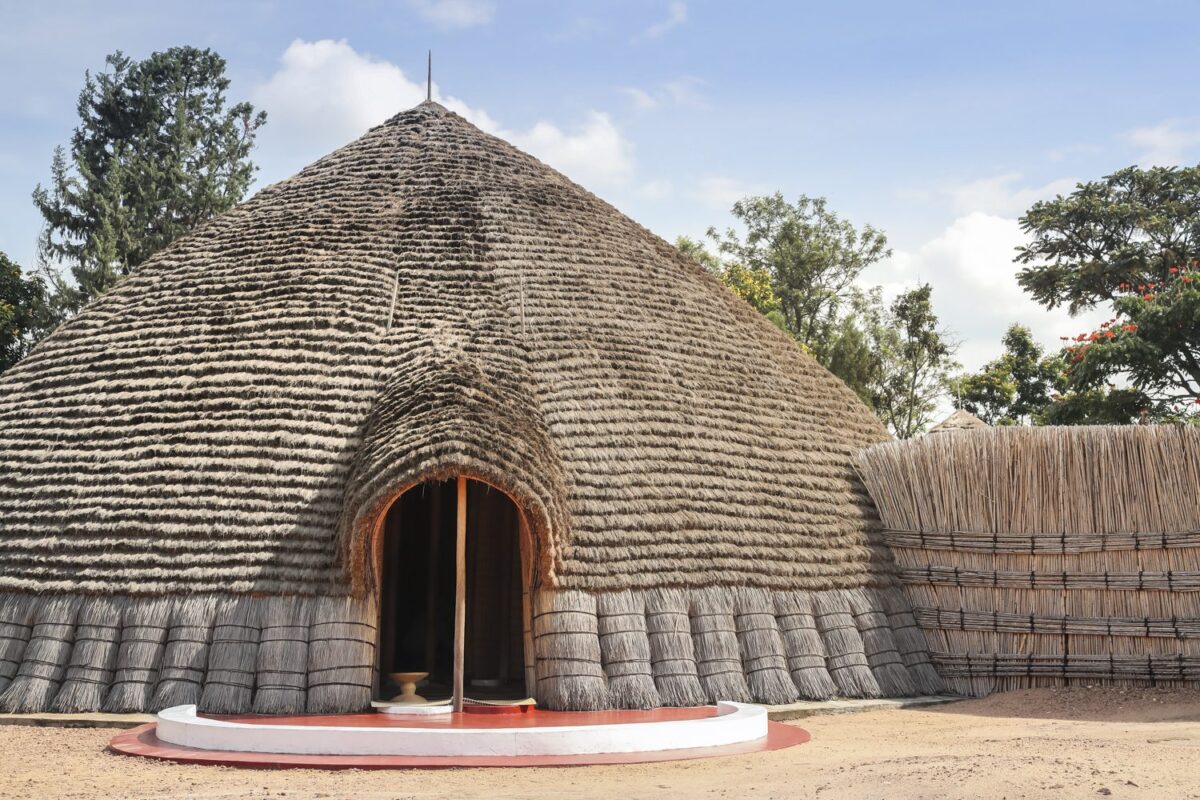
For a deeper understanding of Rwanda’s historical and cultural evolution, a visit to the Ethnographic Museum in Huye is essential. The museum houses artifacts spanning pre-colonial life, royal traditions, and everyday cultural practices, offering insight into the social and historical context behind Rwanda’s communities. History enthusiasts can also explore the King’s Palace Museum in Nyanza, meet the sacred Inyambo cattle, and uncover centuries of royal tradition. Art lovers will find inspiration at the Inema Arts Center in Kigali, a vibrant space where contemporary artists interpret Rwanda’s past and present through modern creativity.
-
Hike Rwanda’s Volcanoes
The Virunga Mountains, stretching across northern Rwanda within Volcanoes National Park, offer some of the country’s most spectacular hiking experiences. Mount Karisimbi (4,507 m) and Mount Bisoke (3,711 m) provide the most challenging treks, typically lasting 6 to 10 hours, taking hikers through dense montane forests, volcanic craters, bamboo groves, and past breathtaking crater lakes. Along the trails, hikers can enjoy panoramic views of valleys and cloud forests teeming with wildlife, as well as Rwanda’s rolling rural landscapes.
Other volcanoes within the park, such as Mount Muhabura (4,127 m), Mount Gahinga (3,474 m), and Mount Sabyinyo (3,669 m), offer moderately demanding hikes that are ideal for those seeking slightly shorter routes or different perspectives of the Virunga range. While physically demanding, hiking Rwanda’s volcanoes is quite rewarding, with unparalleled vistas of the country’s mountainous landscape, impressive wildlife encounters, and a deep sense of accomplishment, making them a must for adventure travelers exploring beyond gorilla trekking.
-
Visit Lake Kivu
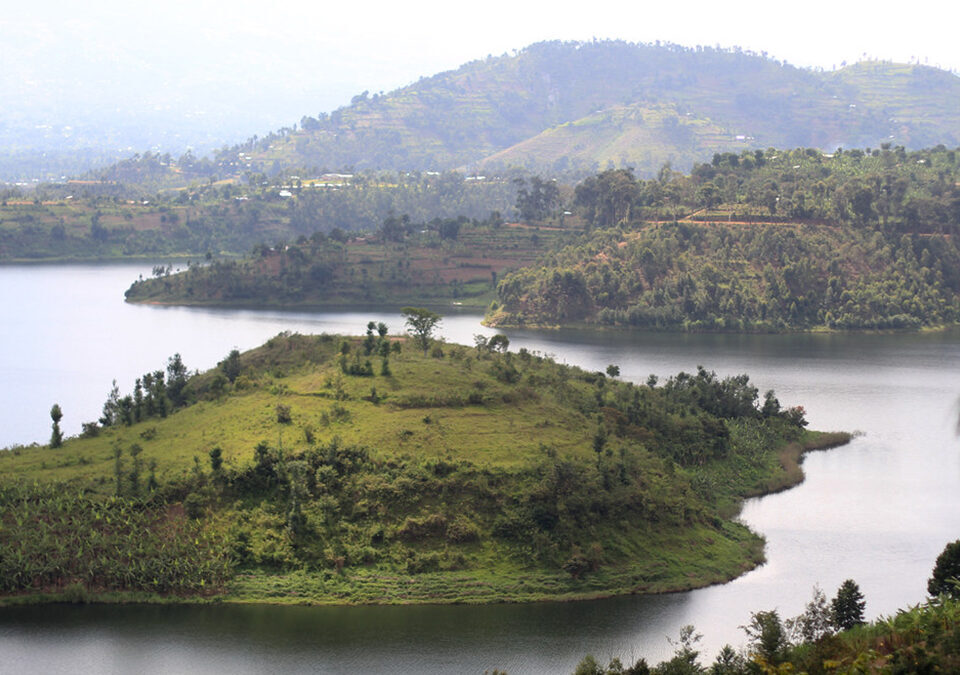
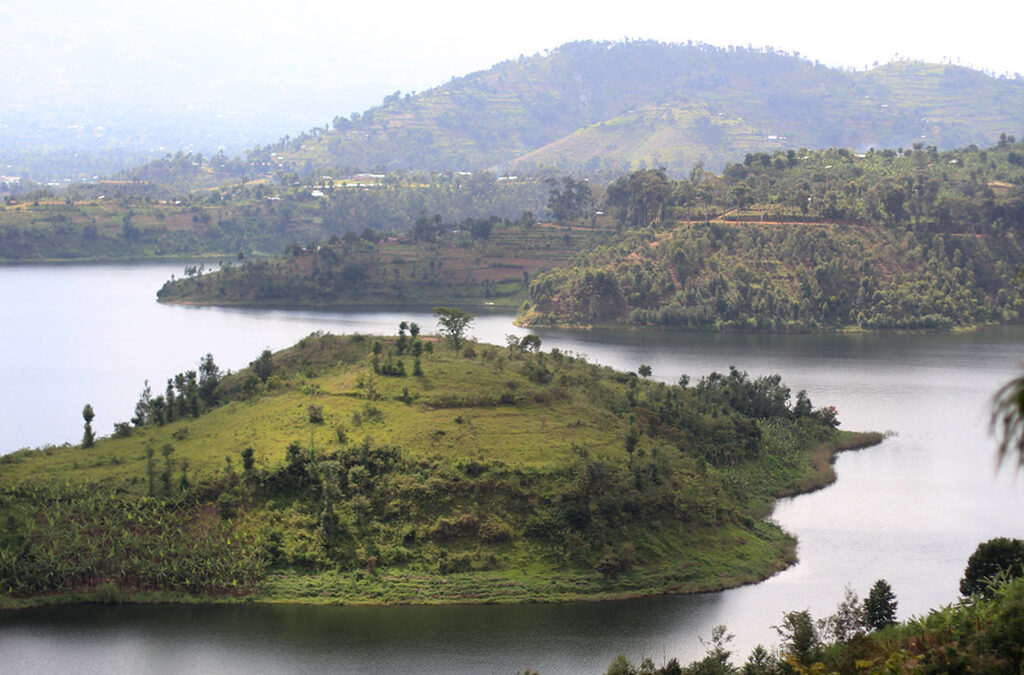
Located along Rwanda’s western border with the Democratic Republic of Congo, Lake Kivu is one of the country’s largest and most scenic lakes. Covering approximately 2,700 square kilometers, the lake is part of the Albertine Rift and reaches depths of up to 480 meters, making it one of Africa’s deepest lakes. Its calm, clear waters are perfect for relaxing and a variety of water sports, including kayaking, paddleboarding, fishing experiences boat trips, or relaxing at lakeside resorts in the nearby towns like Gisenyi, Kibuye, and Cyangugu. On the other hand, visitors can take visits to nearby islands and villages, and explore coffee and banana plantations add to the charm. The area also offers excellent opportunities for photography, sunset watching, and interaction with local lakeside communities, providing a peaceful add-on experience to complement your Rwanda gorilla safari.
-
Hike or Cycle Along the Congo Nile Trail
The Congo Nile Trail is a popular 227-kilometer hiking and cycling trail along the northern and southern shores of Lake Kivu. Starting in Rubavu (Gisenyi) and ending in Rusizi (Cyangungu), the trail winds through terraced hills, coffee plantations, rivers, and small rural villages, and along the way, travelers encounter and interact with local farmers, taste freshly brewed coffee, and witness traditional village life firsthand. Panoramic lake views are open at every turn, and the trail’s gradual elevation changes make it suitable for active travelers of varying skill levels, blending physical activity with rural cultural immersion and a unique way to explore Rwanda’s landscapes.
-
Explore Rwanda’s Big Five in Akagera National Park
Akagera National Park is Rwanda’s only savannah wildlife park, located in eastern Rwanda near the border with Tanzania. Covering 1,122 square kilometers, the park blends golden savannah plains, wooded hills, and a shimmering chain of lakes and wetlands fed by the Kagera River, which gives the park its name. Here, travelers experience a classic African safari, yet with Rwanda’s signature sense of order, conservation focus, and intimacy.
Akagera is home to the Big Five: lions, leopards, elephants, buffalo, and both black and white rhinos. The lions, once locally extinct, were reintroduced in 2015, and the rhinos followed in 2017 and again in 2021, making Akagera one of Africa’s notable conservation success stories. The park also shelters Masai giraffes, Burchell’s zebras, hippos, warthogs, and more than 500 bird species, including the iconic shoebill stork and the stunning Papyrus gonolek. Akagera offers a classic savannah safari experience with game drives and boat safaris on Lake Ihema, providing opportunities to see both land and aquatic wildlife.
-
Twin Lakes of Bulelera and Ruhondo
Hidden in the shadows of Rwanda’s Virunga Volcanoes, the Twin Lakes of Ruhondo and Bulelera are a serene escape from the country’s bustling national parks. The volcanic crater lakes are framed by rolling green hills, patches of forest, and quaint villages, creating a picture-perfect backdrop for relaxing boat rides, quiet lakeside walks, and photography. Lake Ruhondo is the larger of the two (approximately 8 square kilometers), but both reflect the hills and sky beautifully, with local waterbirds adding life to the scenery. Visitors can enjoy short hikes, explore nearby villages, and experience everyday rural life. The lakes are located just a short drive from Musanze, offering the perfect half-day getaway to relax and enjoy Rwanda’s serene landscapes.
Conclusion
While gorilla trekking remains Rwanda’s most celebrated travel experience, the country offers far more for travelers seeking variety and depth. From golden monkey and chimpanzee trekking encounters to canopy walks over ancient forests, hiking volcanoes, and cycling or hiking along the Congo Nile Trail, Rwanda travel experiences go beyond wildlife to include lakeside relaxation, immersive cultural tours, and urban exploration in Africa’s cleanest city – Kigali. Each activity adds a layer to Rwanda’s diversity, creating a journey that blends nature, adventure, and culture.