Uganda is one of Africa’s top safari destinations, known for offering both mountain gorilla trekking and classic savannah wildlife experiences in one country. Dubbed the “Pearl of Africa,” it is the only place where you can track the endangered mountain gorillas in ancient dense rainforests, watch savannah wildlife lions on open plains, cruise along hippo-filled waterways, and explore the most authentic cultural towns – all within a single trip. From the misty slopes of Bwindi Impenetrable Forest and the volcanic highlands of Mgahinga to the wide savannahs of Queen Elizabeth and the dramatic Nile at Murchison Falls, the best of Uganda is portrayed by scenic, varied landscapes teeming with a diversity of wildlife, and a tapestry of inspiring cultures.
Top Safari Destinations in Uganda
Bwindi Impenetrable Forest National Park
Bwindi is Uganda’s flagship destination and a UNESCO World Heritage Site, located in the country’s southwest. Established in 1991, this park is best known for protecting over 500 mountain gorillas – half of the world’s remaining population. Spanning 331 square kilometers of thick mist-covered rainforest, Bwindi’s ancient ecosystem hosts over 120 mammal species, 350 bird species (including 23 Albertine Rift endemics), and over 200 butterfly species, making it a top destination for both gorilla trekking and birdwatching.
Gorilla trekking in Bwindi is one of the most popular tourist activities in Uganda, and treks here are tightly regulated, with only eight visitors per gorilla family per day, ensuring intimate, ethical encounters that may involve one-to-six-hour hikes through misty, humid forest trails. Gorilla permits cost $800 per person and ought to be booked in advance. Bwindi is also the only gorilla park in Africa that offers Gorilla Habituation Experience in the park’s Rushaga sector, allowing up to four hours with a semi-habituated gorilla group, alongside rangers, researchers, and conservationists. This experience costs $1500 per person and offers a deeper observation into these Great Apes.
Aside from mountain gorillas, Bwindi also carries cultural significance as the ancestral home of the Batwa Pygmies, whose community-led visits share their forest traditions and support local livelihoods.
Mgahinga Gorilla National Park
Mgahinga Gorilla National Park may be Uganda’s smallest park at 33.9 square kilometers, but it packs a breathtaking wilderness into its volcanic slopes. Lying at the tri-border with Rwanda and the Democratic Republic of Congo, Mgahinga is part of the Virunga Conservation Area and is dominated by three extinct volcanoes (Muhabura, Gahinga, and Mount Sabyinyo, whose misty peaks rise above bamboo forests, montane woodland, and afro-alpine moorlands. As Uganda’s second gorilla national park, Mgahinga is home to the Nyakagezi gorilla family, the only habituated gorilla family that visitors can trek in the park. Trekking this gorilla family offers a rare, intimate gorilla trekking experience with fewer crowds.
Beyond mountain gorillas, Mgahinga is the only place in Uganda where travelers can track the endangered golden monkeys in their natural habitat, adding to the primate experience. The park is also home mammals such as forest elephants and duikers, as well as over 180 bird species, including high-altitude specialists like the Rwenzori turaco. Moreover, visits with the Batwa community offer insight into ancient forest traditions and support local livelihoods.
Mount Rwenzori National Park
Located in western Uganda, across the border with the Democratic Republic of Congo, this park protects the legendary Rwenzori Mountains, famously known as the “Mountains of the Moon,” and offers one of Africa’s most dramatic mountain hiking experiences. Spanning 996 square kilometers, the park rises from lush lowland forests to the snow-capped peaks, including Margherita Peak (5,109 m), Africa’s third-highest mountain. The park’s slopes are blanketed with bamboo, afro-alpine moorlands, and rare high-altitude plants like giant lobelias and endemic groundsel species, which protect over 76 mammal species and over 217 recorded bird species, including 23 Albertine Rift endemics.
The most popular activity here is mountain hiking with treks ranging from misty day hikes through bamboo and mossy forests to multi-day expeditions across snow-capped ridges and waterfalls, via circuits like the Central Circuit Trail and Kilembe Trail. The park is also deeply significant to the Bakonjo people, whose culture and stories are inseparable from these mountains, making Mount Rwenzori a perfect blend of wildlife, adventure, and cultural heritage.
Queen Elizabeth National Park
A symphony of ecosystems, Queen Elizabeth National Park is Uganda’s most famous and diverse safari destination, stretching across 1,978 square kilometers of savannah, wetlands, crater lakes, and the majestic Kazinga Channel. Located in western Uganda, at the foothills of the Rwenzori Mountains, the park is home to over 95 mammal species, including four of the Big Five (lions, leopards, elephants, and buffalo), hyenas, Uganda Kobs, antelopes, and over 612 recorded bird species, making it a paradise for both classic game drives and birdwatching enthusiasts. Its varied landscapes, from the savannah plains of the Ishasha sector, home to the rare tree-climbing lions, to the wetlands teeming with hippos and crocodiles, offer a range of wildlife viewing experiences for every traveler. Primates also thrive here, including habituated groups of chimpanzees, olive baboons, and monkeys in the park’s Kyambura Gorge.
Queen Elizabeth also provides opportunities for boat safaris along the Kazinga Channel, guided walking safaris, and cultural encounters within the surrounding local communities.
Kibale Forest National Park
Located in western Uganda, near Fort Portal city, Kibale Forest National Park is Africa’s premier destination for chimpanzee trekking. Covering 776 square kilometers of varied pristine tropical rainforest, the park is home to over 1,500 chimpanzees, making it one of the few places in the world where visitors can spend hours observing these intelligent animals in the wild. Chimpanzee trekking permits in Kibale cost $25o per person, while chimpanzee habituation costs $300. Beyond chimps, Kibale hosts 12 other primate species, including the rare Blue monkey, L’Hoest’s monkey, Vervet monkey, Black-and-white colobus monkey, and the Red-tailed monkey.
Kibale’s rich biodiversity also includes over 68 mammal species, including forest elephants, leopards, giant forest hogs, and more than 375 recorded bird species, most of which are rare forest species. Beyond chimpanzee trekking, visitors can enjoy guided birdwatching, forest walks, and immersive cultural experiences along winding trails through rivers, swamps, and canopy-rich forests.
Murchison Falls National Park
Murchison Falls National Park is Uganda’s largest park and one of its most rewarding wildlife safari destinations, spanning 3,893 square kilometers of savannah, woodland, and riverine habitats. Located in northwestern Uganda, the park is named after the powerful Murchison Falls – a point where the mighty Nile plunges through a narrow 7-meter gorge, and falls over 45 meters down, one of the world’s most powerful waterfalls. Around this dramatic centerpiece, over 76 mammal species thrive, including predators such as lions, leopards, hyenas, and Nile crocodiles, in addition to a variety of elephants, buffaloes, hippos, Rothschild giraffes, hartebeests, and several antelope species.
Visitors can embark on thrilling boat safaris along the Nile, and watch hippos surfacing, crocodiles basking in the sun, and elephants wade through papyrus reeds, while game drives reveal the park’s abundant savannah wildlife, especially at sunrise and sunset. Birdlife in Murchison Falls National Park is also spectacular, with over 451 recorded species, including the famous Shoebill Stork.
Lake Mburo National Park
This park is located in western Uganda, about 4 hours from Kampala, making it Uganda’s most accessible park when traveling between the central region and the south-western safari circuit. Covering 260 square kilometers, the park is dominated by acacia woodland, open savannah, rocky outcrops, and a network of five lakes that support a strong bird and wildlife population.
Lake Mburo is the only national park in Uganda where impalas are found, and it also supports the largest population of zebras, in addition to giraffes, elands, buffaloes, topis, oribi, sitatunga, warthogs, hippos, hyenas, and the elusive leopard. Because the park does not have lions in significant numbers, guided walking safaris and horseback safaris are permitted here, offering a unique wildlife viewing experience, unlike other Ugandan parks. Boat safaris on Lake Mburo are also immersive, providing sightings of hippos, crocodiles, and waterbirds, adding to the park’s diversity. The park is also home to over 315 recorded bird species, including threatened species like the African Finfoot and Papyrus gonolek, making it a birdwatcher’s paradise.
Jinja – The Source of the Nile
Jinja is one of Uganda’s most exciting and scenic destinations, where adventure and natural beauty collide. Located in eastern Uganda, about 80 kilometers from Kampala, this historic town sits at the point where the world’s longest river begins its epic journey north from Lake Victoria, offering travelers the rare thrill of witnessing the Source of the Nile. Jinja has earned its reputation as East Africa’s adventure capital, with the best white-water rafting excursions, bungee jumping, kayaking, jet skiing, and quad biking, among many adventure activities. Moreover, scenic river cruises on the Nile reveal serene banks and wetlands teeming with monitor lizards, hippos, crocodiles, and waterbirds. The town also delights with colonial architecture, riverside lodges, and welcoming local fishing communities that make for wholesome experiences amidst adventure.
Kampala – Uganda’s Capital
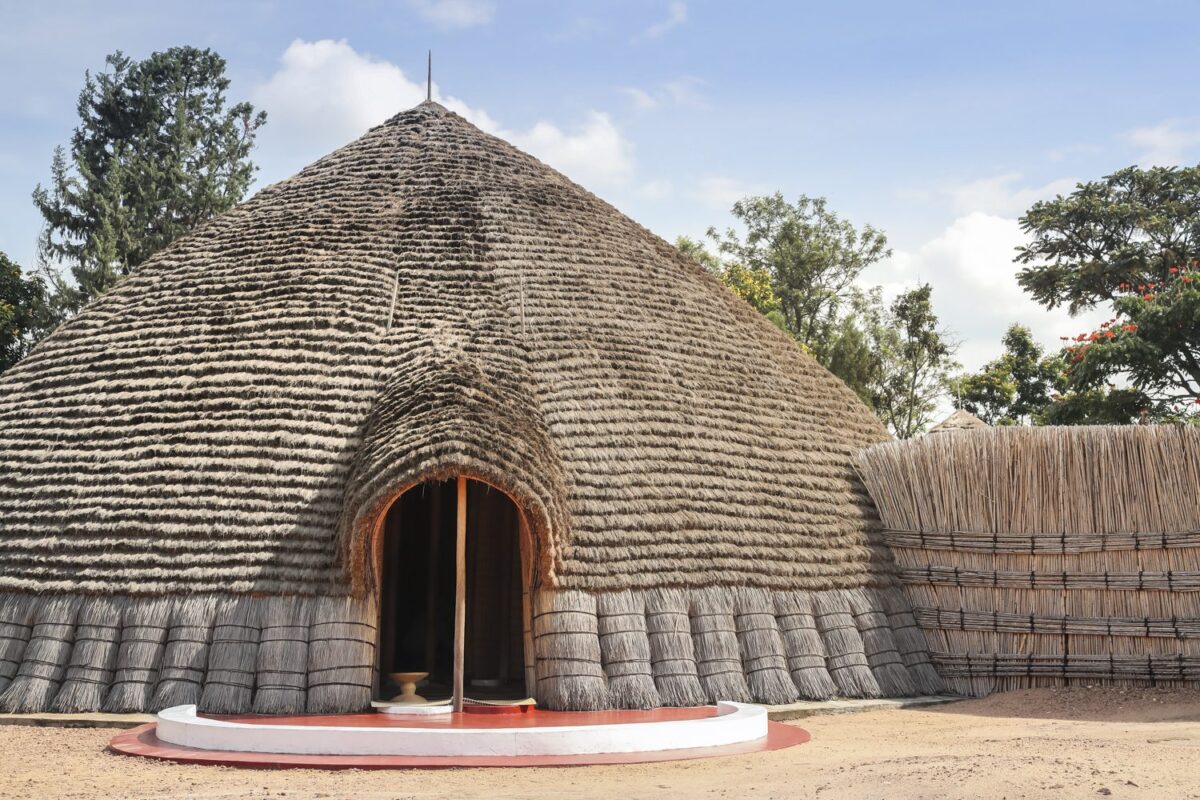
Kampala is Uganda’s capital and business hub. Home to over 4 million people, the city spreads across seven rolling hills, with Lake Victoria to the south and the royal Buganda kingdom woven into its identity. Kampala is a place where tradition meets modern life, home to centuries-old heritage sites like Kasubi Royal Tombs – a UNESCO World Heritage site, the National Museum – where the country’s cultural and archaeological story unfolds, Namirembe Cathedral, Uganda Martyrs Namugongo, and the Bahai Temple – the only one in Africa, to mention but a few.
From there, explore Kampala’s vibrant street life from bustling markets like Nakasero and Owino overflowing with organic food, tropical fruits, fabrics, and the perfect display of daily hustle and bustle its people. By evening, the city shifts into its warm social pulse, offering rooftop bars, live band lounges, Afro-fusion restaurants, and the famously friendly nightlife for which Kampala is well-loved across Africa.
When is the Best Time to Visit Uganda?
Uganda welcomes travelers year-round, but the best time for enjoying activities such as gorilla trekking in Bwindi and Mgahinga, chimpanzee trekking in Kibale, wildlife viewing in Queen Elizabeth and Murchison Falls National Park, or even mountain hiking on Mount Rwenzori, is during the dry seasons (June to September and December to February). These months bring sunshine, clear skies, and easier access through forest trails and park roads. During this time, wildlife also congregates around rivers and waterholes, making sightings frequent and photography conditions ideal.
On the other hand, the wet seasons (March to May and October to November) often transform Uganda’s landscapes into a lush green paradise, perfect for photography, and bring in migratory bird species, making it the ideal time for birdwatching. While the heavy rains can make primate trekking more challenging, the scenery is stunningly photogenic, and birdlife reaches its peak. Moreover, parks are less crowded, and accommodation rates are lower, making it an equally rewarding time to visit Uganda.