Nyungwe Forest National Park is one of Africa’s most treasured and ancient rainforests, stretching across the highlands of southwestern Rwanda, partly adjoining the Burundi border. Covering an area of 1,019 square kilometers, this ancient rainforest is one of Africa’s largest and most pristine montane forests, serving as a sanctuary for a remarkable array of wildlife. From the playful chimpanzees and elusive golden monkeys to rare endemic birds and cascading waterfalls, Nyungwe offers experiences that blend adventure, education, and conservation awareness. With its rich biodiversity and unique activities like chimpanzee trekking and the famous canopy walkway, Nyungwe Forest National Park is a must-visit destination for eco-tourism in Rwanda. The park offers a blend of wildlife, breathtaking scenery, and ancient natural heritage, making it one of the most captivating safari parks in Rwanda.
About Nyungwe Forest National Park
Nyungwe Forest National Park is located in southwestern Rwanda, near the borders of Burundi and the Democratic Republic of Congo, and just south of Lake Kivu. Its elevation ranges from 1,600 to 2,950 meters above sea level, creating a variety of microclimates that sustain its exceptional biodiversity. Recognized for its ecological significance, Nyungwe is home to 13 primate species, over 300 bird species, and thousands of plant species, including rare orchids, giant mahoganies, and endemic bamboo stands.
Beyond its rich wildlife, Nyungwe serves as a critical watershed for the region, feeding rivers that sustain both local communities and downstream ecosystems. The park’s diverse habitats, ranging from montane forests to swamps and bamboo zones, make it a key conservation area in the Albertine Rift, one of Africa’s most biodiverse regions. For visitors, Nyungwe offers not only encounters with rare wildlife but also a glimpse into the ecological processes that maintain life in this lush forest.
How to Get There
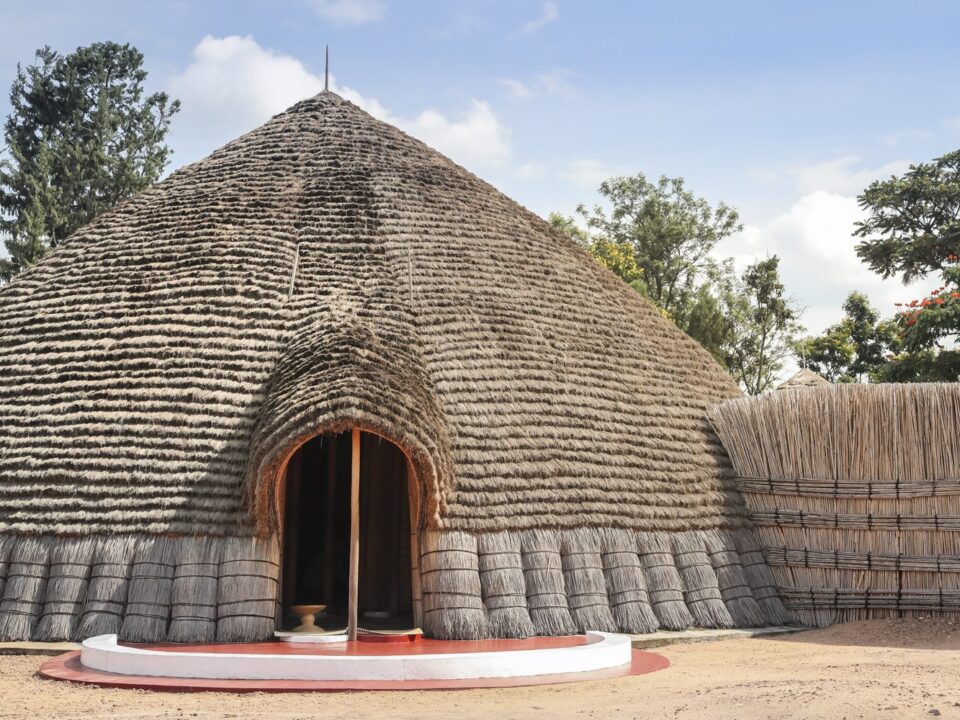
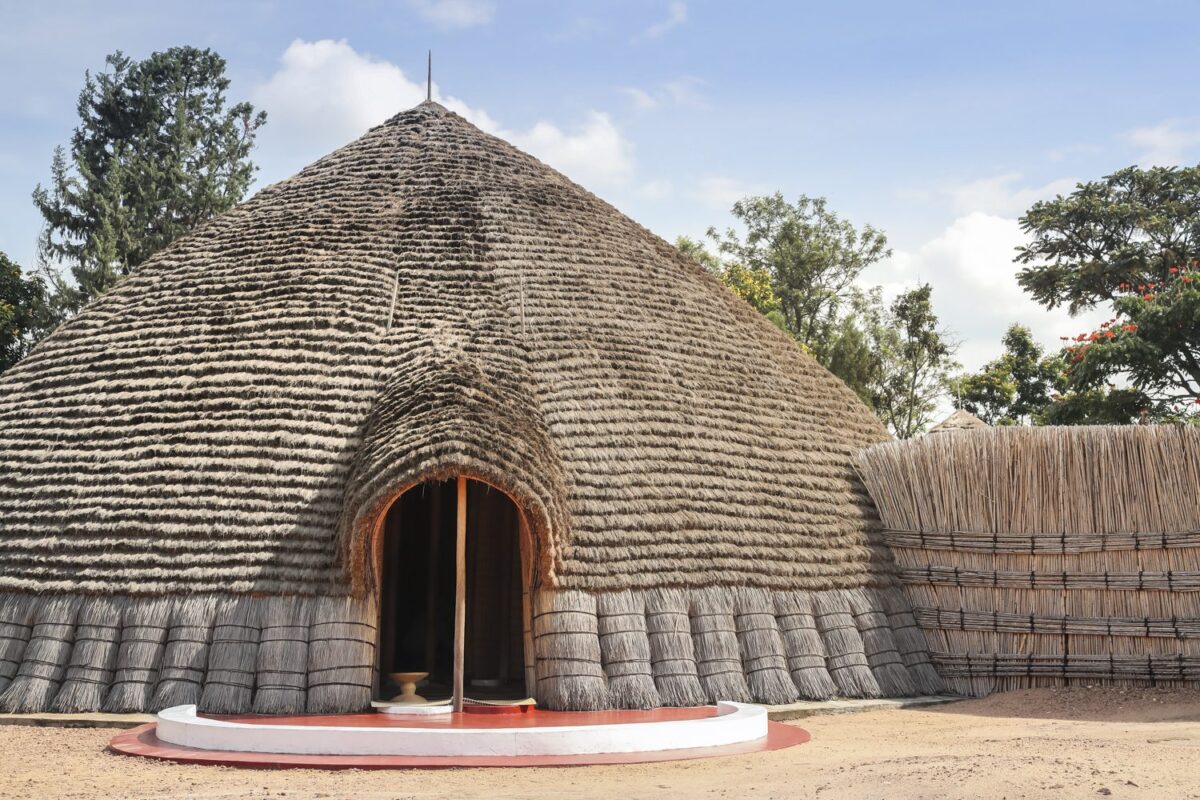
Nyungwe Forest National Park lies in the southwestern region of Rwanda’s about 178 kilometers by road from the capital, Kigali. By road, the park is about a scenic 4- to 5-hour drive through the country’s rolling hills and picturesque towns like Huye. The journey offers glimpses into Rwanda’s rich history and culture, with stops at landmarks such as the Nyanza King’s Palace and the National Museum.
However, for a quicker route, RwandaAir offers domestic flights from Kigali International Airport to Kamembe Airport, located near the park. From Kamembe, a short drive brings you to the park’s entrance.
For travellers using public transportation, there are buses from Kigali’s Nyabugogo Bus Park heading towards Rusizi District, and stopping at Uwinka Visitor Center. However, this option is less comfortable and takes approximately 8 hours.
Attractions in Nyungwe Forest National Park
Chimpanzees
Nyungwe Forest National Park is a sanctuary where nature thrives in every corner, offering visitors a rare opportunity to experience one of Africa’s richest ecosystems. Chimpanzees are the Nyungwe’s crown jewels, and guided trekking experiences to observe these intelligent primates are not just for sightseeing, but a precious moment to step into their social world. While tracking them, visitors can witness the playful antics of juveniles, the protective behaviors of the adults, and the complex interactions that reveal their intelligence and social bonds. These encounters, guided by trained rangers, provide tourists with a profound understanding of chimpanzee behavior and the conservation efforts that protect the primates from threats such as habitat loss and poaching.
Other Primates
Beyond chimpanzees, Nyungwe Forest National Park is home to 12 other primate species, including golden monkeys (though they are wild and not habituated for tracking like those in Volcanoes National Park), black-and-white colobus monkeys, L’Hoest’s monkeys, Blue monkeys, and Owl-faced monkeys, to name a few. Each species occupies unique layers of the forest, from the high canopy to the undergrowth, contributing to a dynamic ecosystem. Guided walks allow visitors to observe feeding patterns, social interactions, and even territorial behaviors, offering a full picture of the forest’s intricate primate community. This biodiversity makes Nyungwe one of the most important forests in East Africa for primate conservation.
Birdlife
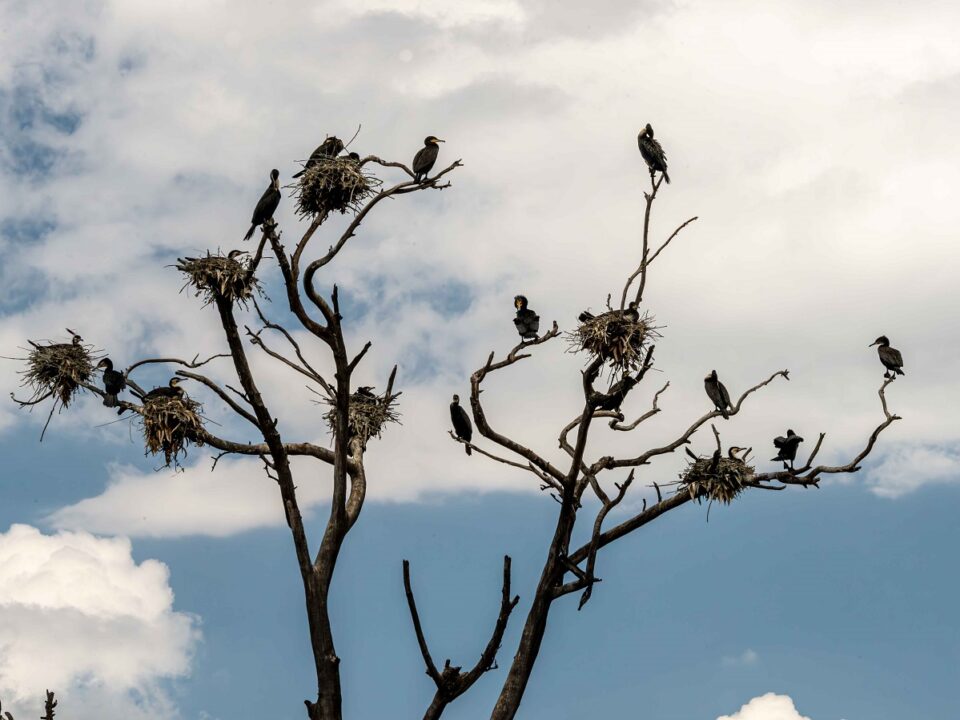
Birdlife in Nyungwe Forest National Park is another highlight, with over 310 recorded species, including 27 Albertine Rift endemics. Visitors in the park can embark on early morning guided walks to catch sights of colorful plumage and melodious calls, from species such as the vibrant Rwenzori turaco to the rare Shelley’s crimsonwing. Moreover, the park’s diversity of habitats, from bamboo zones to swamps and riverine forests, provides niches for a wide variety of birds, making Nyungwe a premier destination for birdwatchers and wildlife photographers alike.
Cascading Waterfalls
Nyungwe Forest National Park’s spectacular scenery is also defined by a range of cascading waterfalls that both visually splendor and have ecological importance. Cascading through moss-covered rocks and misty valleys, falls like Kamiranzovu and Ngabwe create serene natural spaces while feeding rivers that sustain both wildlife and local communities. Hiking to these waterfalls offers visitors an intimate connection with the forest, combining moderate exercise with breathtaking scenery. This makes them perfect destinations for nature lovers seeking both adventure and tranquility.
Activities in Nyungwe Forest National Park
Chimpanzee Trekking
Chimpanzee trekking experiences are the highlight of Nyungwe Forest National Park, providing a guided journey into this dense forest to witness the primates in their natural habitat. Conducted under the guidance of knowledgeable guides, chimpanzee treks in Nyungwe require moderate fitness and can last several hours, but the reward is life-changing; seeing chimpanzees interact, communicate, and move freely in their natural habitat is unparalleled. Each trek emphasizes respect for wildlife and the importance of conservation. Permits cost $150 for foreign non-residents and are issued by the Rwanda Development Board.
Birdwatching
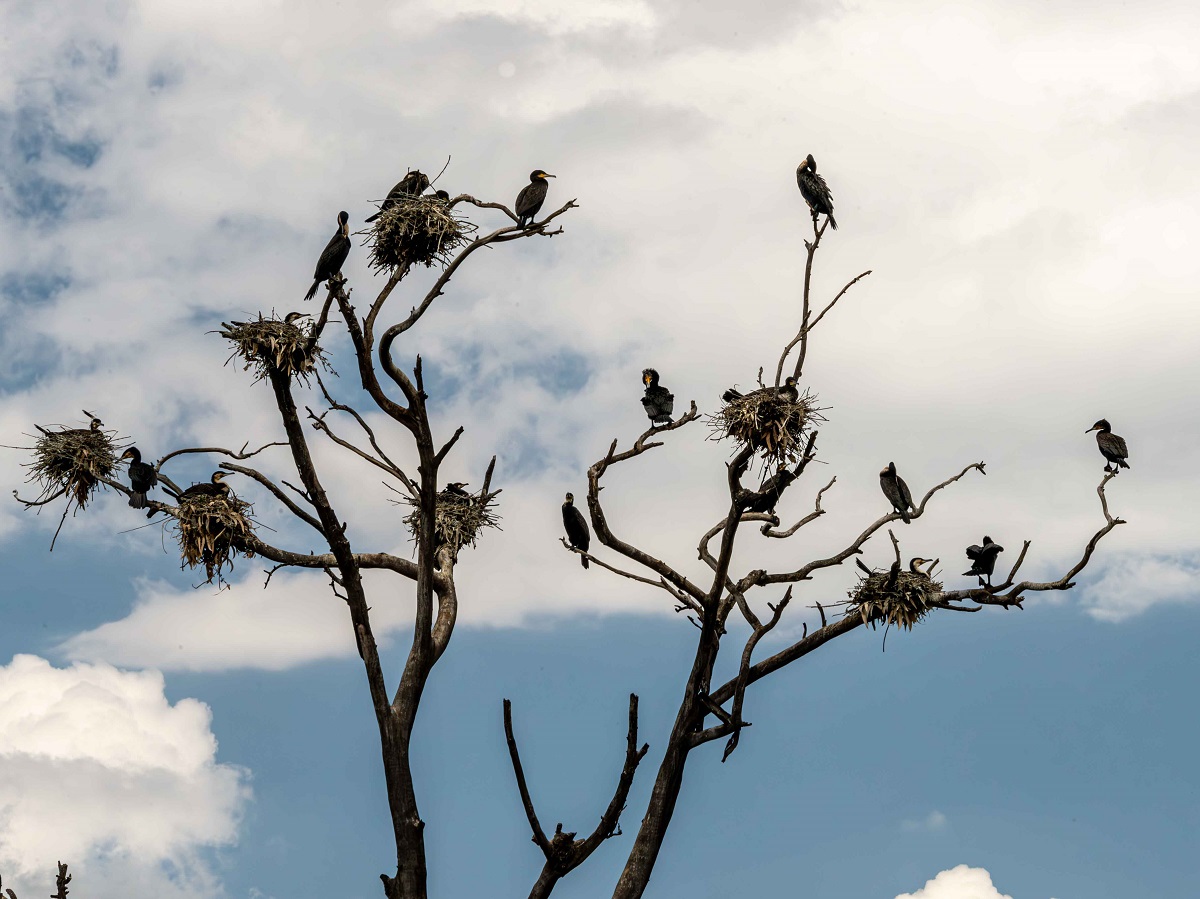
Birdwatching in Nyungwe is both exhilarating and rewarding. The forest’s diverse elevation and habitats provide niches for rare and endemic species. Guided early-morning excursions maximize sightings, allowing visitors to observe unique behaviors such as nesting, courtship, and territorial displays. Bird enthusiasts and photographers alike find these excursions invaluable for capturing the vibrancy of Nyungwe’s avian life.
Nature walks
For visitors seeking a more relaxed experience, nature walks and waterfall hikes in Nyungwe Forest National Park provide a gentle but immersive exploration of the forest. Visitors can observe towering mahoganies, ferns, orchids, and medicinal plants, while the sounds of birds and primates create a living soundtrack. Furthermore, several trails leading to waterfalls offer scenic viewpoints and opportunities to learn about the park’s hydrology, making these walks both educational and restorative.
Canopy walks
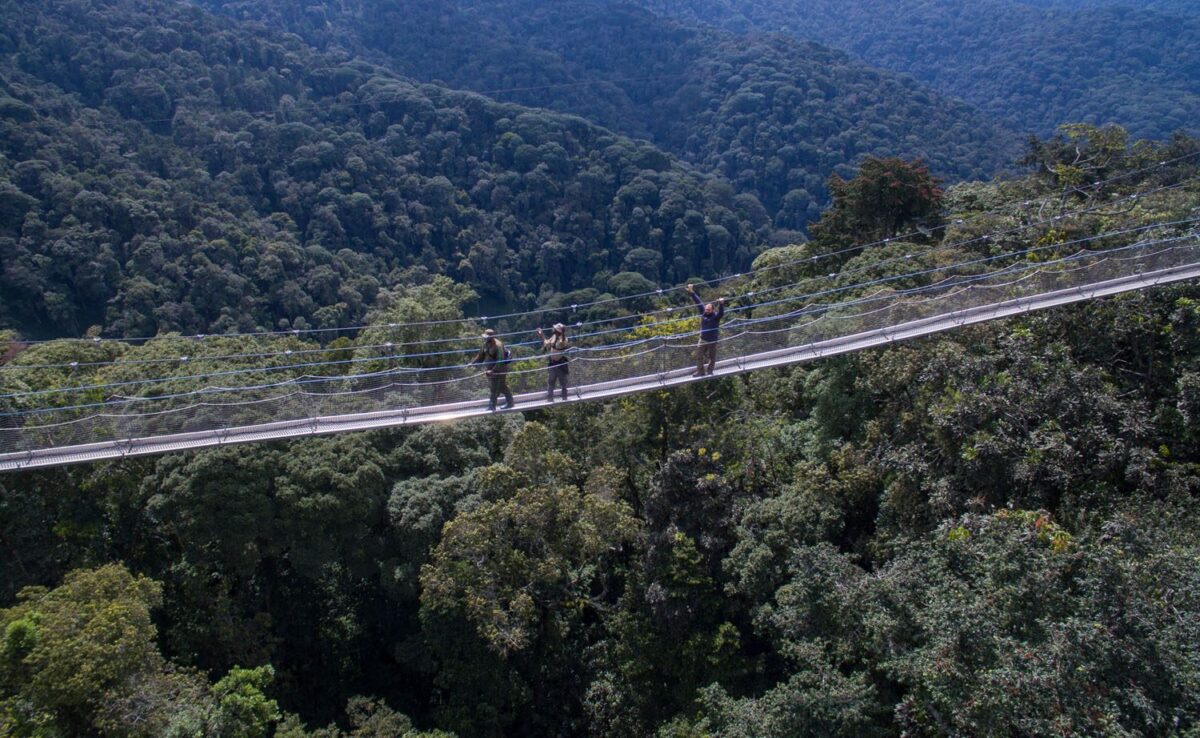
The Canopy walkway in Nyungwe Forest National Park is another highlight, offering an exhilarating perspective of the lush montane rainforest. Suspended 70 meters above the forest floor and stretching 160 meters in length, this bridge provides a unique vantage point to observe the park’s rich biodiversity. As you traverse the walkway, you may encounter various butterfly species, orchids, and colorful birds, including many endemics to the region. Additionally, the forest’s thirteen primate species, such as colobus monkeys and L’Hoest’s monkeys, can often be spotted in the canopy.
Best Time to Visit Nyungwe Forest National Park
The dry seasons, from June to September and December to February, offer the most favorable conditions for visiting Nyungwe Forest National Park. During these periods, the forest trails dry, making treks safer, and wildlife, including primates and birds, is easier to spot. These months also offer optimal conditions for photography, especially in capturing primate behavior or the forest’s lush landscapes.
However, Nyungwe can also be visited during the wet seasons, which run from March to May and October to November, for a different allure. During the rainy seasons, the forest comes to life with intensely green vegetation, dramatic waterfall levels, and the presence of migratory birdlife, making it a paradise for photographers and those seeking a quieter, more contemplative experience. Understanding these seasonal differences allows visitors to plan according to their preferences.
All in all, Nyungwe Forest National Park offers the ideal safari destination for adventure, relaxation, and a deep sense of connection to nature. From observing playful chimpanzees and other primate species to marveling at endemic birds and cascading waterfalls, every visit to the park offers both adventure and education. Visiting Nyungwe means an opportunity to witness one of Africa’s richest ecosystems and understand the delicate balance of wildlife and habitat. The park is another testament to Rwanda’s dedication to conservation, sustainable tourism, and community engagement.