To trek mountain gorillas in Uganda, a gorilla trekking permit is required for every visitor, and it allows you to spend one precious hour with a gorilla family once located. In Uganda, permits are issued by the Uganda Wildlife Authority (UWA) and currently cost USD 800 per person. The number of permits available each day is limited, so early booking (ideally 3 to 6 in advance) is essential, particularly during the dry seasons.
During the quieter months, it’s easier to secure permits, and some tour operators even offer discounted packages. You may book your gorilla permit either directly at UWA or through reputable licensed tour operators, which ensures your permit is handled correctly and that your gorilla safari is seamless.
Always confirm which park your permit covers, as treks are conducted from different trailheads; for instance, Bwindi has four trailheads (Rushaga, Ruhija, Nkuringo, and Buhoma), while Mgahinga offers only one – Ntebeko, and each of these trails each with particular gorilla families and allocated gorilla permits.
Practical Tips for Planning Your Gorilla Safari in Uganda
Here are some hands-on tips to make your planning practical, smooth, and aligned with your expectations:
Age limit: To trek mountain gorillas in Bwindi Impenetrable Forest and Mgahinga Gorilla National Park, visitors should be at least 15 years and above
Physical Fitness: Gorilla trekking is a moderate physical challenge that requires preparation. Treks can last anywhere between one and six hours, depending on where your allocated gorilla family is feeding, so a basic level of fitness is helpful.
Pack essential gear: Moreover, packing the right gear is essential, including a good rain jacket, sturdy hiking boots, long trousers and long-sleeved shirts, a warm sweater, a pair of gaiters, a hat, insect repellent, and a waterproof lightweight daypack for your camera, drinking water, and snacks.
No flash photography: For photographers, the forest offers a world of mood and light — but remember, flash photography is prohibited and humidity can be high. Bring a lens cloth and a camera that handles low light well.
Health and Safety: Health-wise, travelers should have good travel insurance, carry a yellow fever vaccination certificate, and it’s advisable to take anti-malarial medication. Avoid trekking if you have a cold or flu, as gorillas share about 98% of human DNA and are hence prone to human diseases.
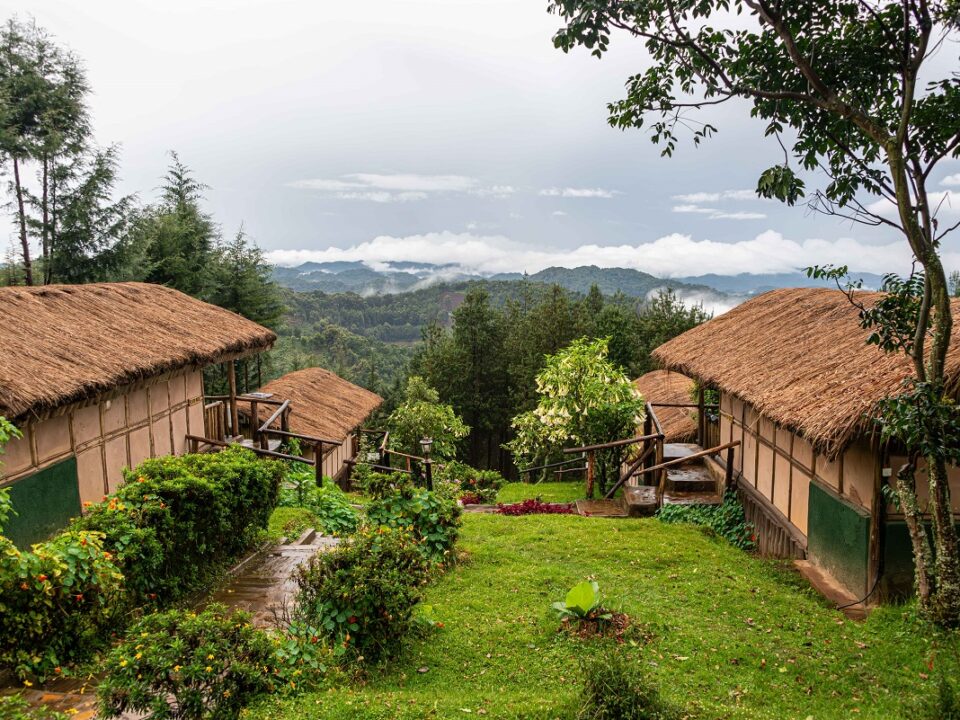
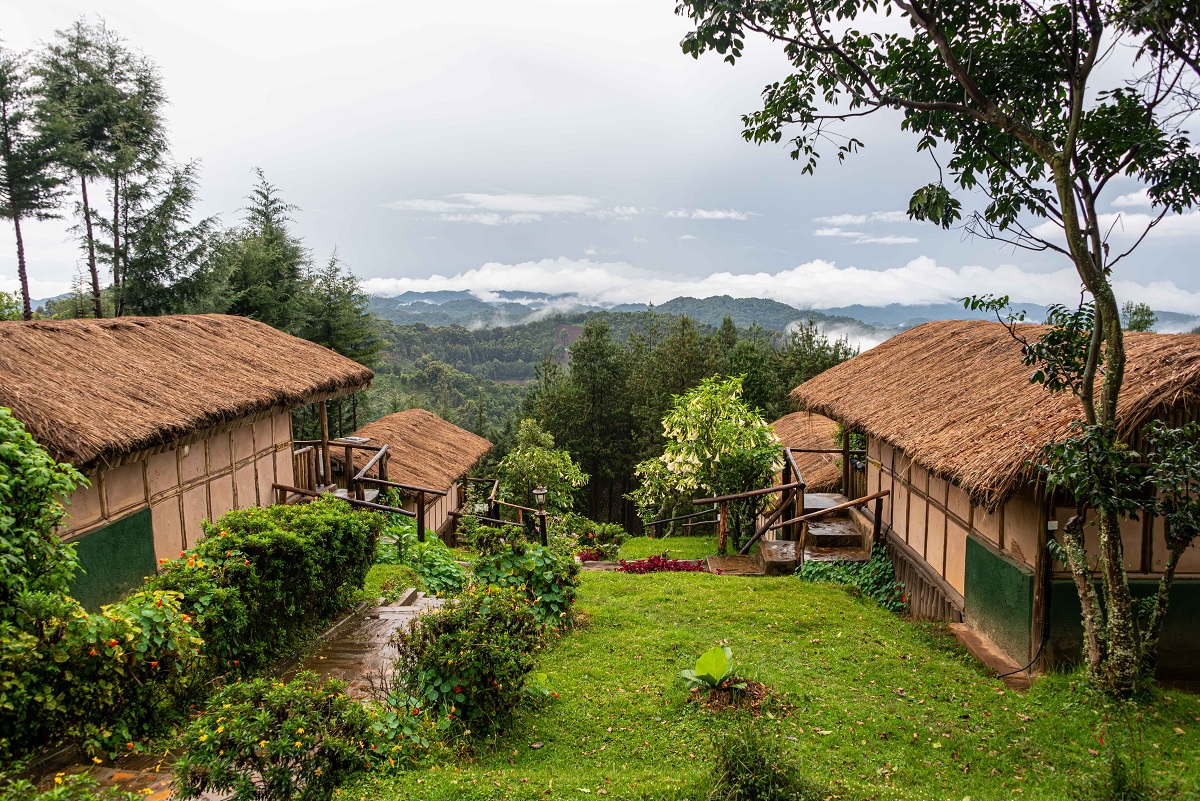
Accommodation and Logistics: Always choose accommodation close to your trekking sector or trailhead, as it saves time on the morning of your trek. The roads to Bwindi and Mgahinga are often long and winding, so having a comfortable lodge nearby makes a big difference. Fortunately, there is a range of accommodations in every sector of Bwindi and near Mgahinga, ranging from budget to midrange and luxury lodges and camps.
Combining gorilla trekking with other Uganda safaris: To make the most of your Uganda gorilla safari experience, consider combining your gorilla trek with other Ugandan experiences, such as a wildlife safari in Queen Elizabeth National Park, a relaxing stay at the breathtaking Lake Bunyonyi, chimpanzee trekking in Kibale Forest National Park, or a Batwa cultural tour near Bwindi and Mgahinga. Together, these create a beautifully rounded adventure that offers a memorable travel experience and captures Uganda’s diverse spirit.